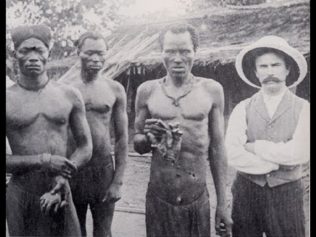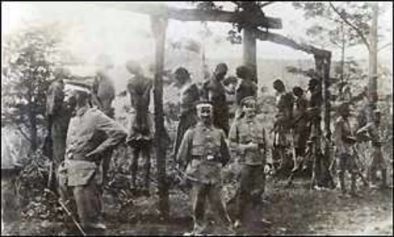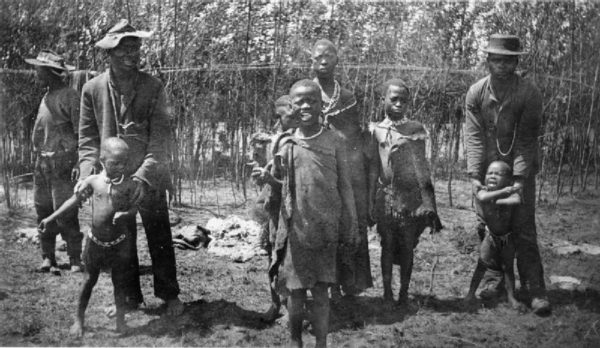
The Anglo-Boer War and the Black Concentration Camps
The Anglo-Boer War was between the Dutch and the British. However, Blacks in South Africa were put in concentration camps and suffered the worst. Initially, 15,000 Black people served the British. Many were combatants, but most grew crops and dug trenches for troops. From 1899-1902, thousands of South Africans were removed from their lands by the British. By 1902, there were 66 Black concentration camps with an estimated 115,700 people held on them and an estimated 20,000 people dead. Kipling’s confidantes — Rhodes, Milner and Jameson — made their fortunes and launched their political careers off Black people and the land they helped confiscate.
Backwater Indians
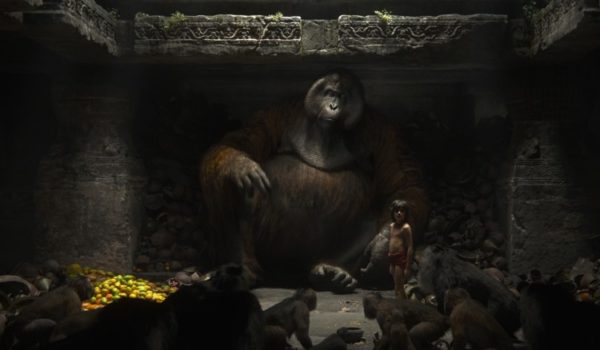
Many people are familiar with The Jungle Book; the book is one of two. Kipling typically depicted native Indians as imbeciles, superstitious and backwater sub-humans. All the while dehumanizing the native people, British soldiers were the epitome of order and right in the world. The young Indian boy Mowgli is a symbol for the British, and the jungle animals represent the natives. Mowgli can control the jungle animals just by staring them down. In one instance, a British railroad builder shoots a mugger crocodile that had been worshiped by a local village. The British had no regard for the native customs because the natives weren’t fit to rule themselves. Also, they weren’t Christian and therefore were ignorant and did not know any better.